
Women have long been behind some of the most thoughtful and enduring businesses, often building companies that prioritize purpose alongside performance.
During Women’s History Month, it’s worth looking not just at the achievements of women founders, but at how they build.
Across industries - from beauty and wellness to home and consumer products - many women-led companies share a similar philosophy: growth should be intentional, resilient, and designed to last.
Sustainability is often framed as a product decision.
Recyclable packaging. Clean ingredients. Responsible sourcing.
But the most successful brands we work with have a different view: sustainability isn’t just what a brand sells. It’s how a brand grows.
It’s a decision system.
It shows up in how companies structure their operations, how they communicate with customers, and the tradeoffs they’re willing to make when growth gets loud.
At SLT Consulting (SLTC), we partner with brands across beauty, wellness, home, and consumer products - from companies like TruSkin to founder-led brands like Dear Flor, as well as mission-driven organizations like Être Girls.
Across these partnerships, one pattern is clear: the brands that endure are designed for sustainability from the beginning - not only environmentally, but economically and culturally.
Women founders often bring a particularly strong sense of purpose to this work. They tend to ask a different set of questions about growth: beyond how fast can we scale, but how do we build something that lasts?
Here are a few of the principles we see working in practice.
Sustainable by Design
The strongest brands start with clarity.
Not just around their product, but around their non-negotiables.
Women founders often bring a particularly strong sense of purpose to this stage - defining early what the brand will protect as it grows.
Take Dear Flor, an independent, New York-based Filipina-owned company producing hemp-derived cannabis gummies inspired by traditional Filipino flavors like ube, calamansi, and buko pandan. The brand isn’t just introducing new products - it’s using food, flavor, and storytelling to celebrate cultural heritage while creating an experience that resonates emotionally with customers.
When brands are built with this kind of intentionality, the product becomes part of a larger narrative.
Similarly, companies like Urban Staging, a Brooklyn-based, 100% women-owned firm, approach their work with a philosophy that blends design with practicality. Their staging projects focus on creating interiors that feel warm, lived-in, and accessible - helping potential buyers imagine themselves in the space rather than simply presenting a showroom.
In both cases, the brand’s clarity about what matters most informs every decision that follows.
When founders define their principles early, those decisions compound.
The brand becomes easier to scale because the direction is already clear.
Sustainable by Operations
Growth pressure pushes many brands toward short-term decisions.
More ad spend. More launches. More promotions.
But sustainable brands build operational discipline into their systems.
That means asking questions like:
- Where are customers actually dropping off?
- What questions repeatedly appear in support tickets?
- Where does customer behavior contradict our internal assumptions?
Customer feedback becomes a strategic input, not just a service function.
The brands that listen carefully often discover opportunities others miss—whether it’s refining product messaging, improving onboarding experiences, or adjusting lifecycle marketing strategies.
Operational sustainability is less visible than product sustainability, but it’s just as important.
It reduces waste, improves margins, and strengthens the relationship between brand and customer.
Sustainable by Community
One of the defining traits of many women-led brands is their relationship with their audience.
Instead of treating customers as transactions, they treat them as participants in the brand’s evolution.
We see this clearly with organizations like Être Girls, which focuses on building confidence in young girls through research, storytelling, and mentorship. Their State of Girls Confidence Survey highlights how community insight can shape programs, partnerships, and products that truly resonate.
This kind of approach turns customers and participants into collaborators.
Over time, the result is something far more durable than a marketing campaign: trust.
And trust becomes one of the most sustainable growth engines a brand can have.
Sustainable by Economics
Perhaps the most overlooked dimension of sustainability is economic discipline.
A sustainable brand must also be a financially resilient brand.
Companies like Mobot, the Venice-based wellness brand behind the world’s first foam roller water bottle, demonstrate how product innovation and sustainability can work together. By creating reusable hydration products designed to replace single-use plastic bottles, Mobot estimates its products have helped eliminate hundreds of millions of disposable bottles from landfills.
But beyond the environmental impact, brands like this succeed because they build strong operational foundations.
Behind the scenes, sustainable growth requires attention to fundamentals:
- Healthy contribution margins
- Disciplined customer acquisition strategies
- Strong retention and repeat purchase behavior
- Inventory systems that support long-term growth
Sustainable growth isn’t about slowing down.
It’s about building systems that allow the business to grow steadily and responsibly over time.
What This Means for Growth Teams
Whether or not your brand identifies as “sustainable,” there are practical lessons from the women-led companies shaping this movement.
Name your non-negotiables.
Define the principles that guide your decisions when growth pressures appear.
Replace vague claims with specifics.
Customers respond to clarity. Explain what you do, how you do it, and why it matters.
Listen before optimizing.
Customer feedback often reveals the most valuable growth opportunities.
Focus on retention before reach.
Sustainable growth comes from strengthening relationships, not just expanding awareness.
Looking Ahead
Women’s History Month is a reminder that progress is often driven by people who challenge conventional thinking.
The women leading today’s brands are doing exactly that: redefining sustainability not just as a feature, but as a framework for building resilient businesses.
At SLTC, we’re proud to support founders and teams who are designing companies with the long game in mind.
Because the brands that endure aren’t the ones that grow the fastest for a moment.
They’re the ones built to last.
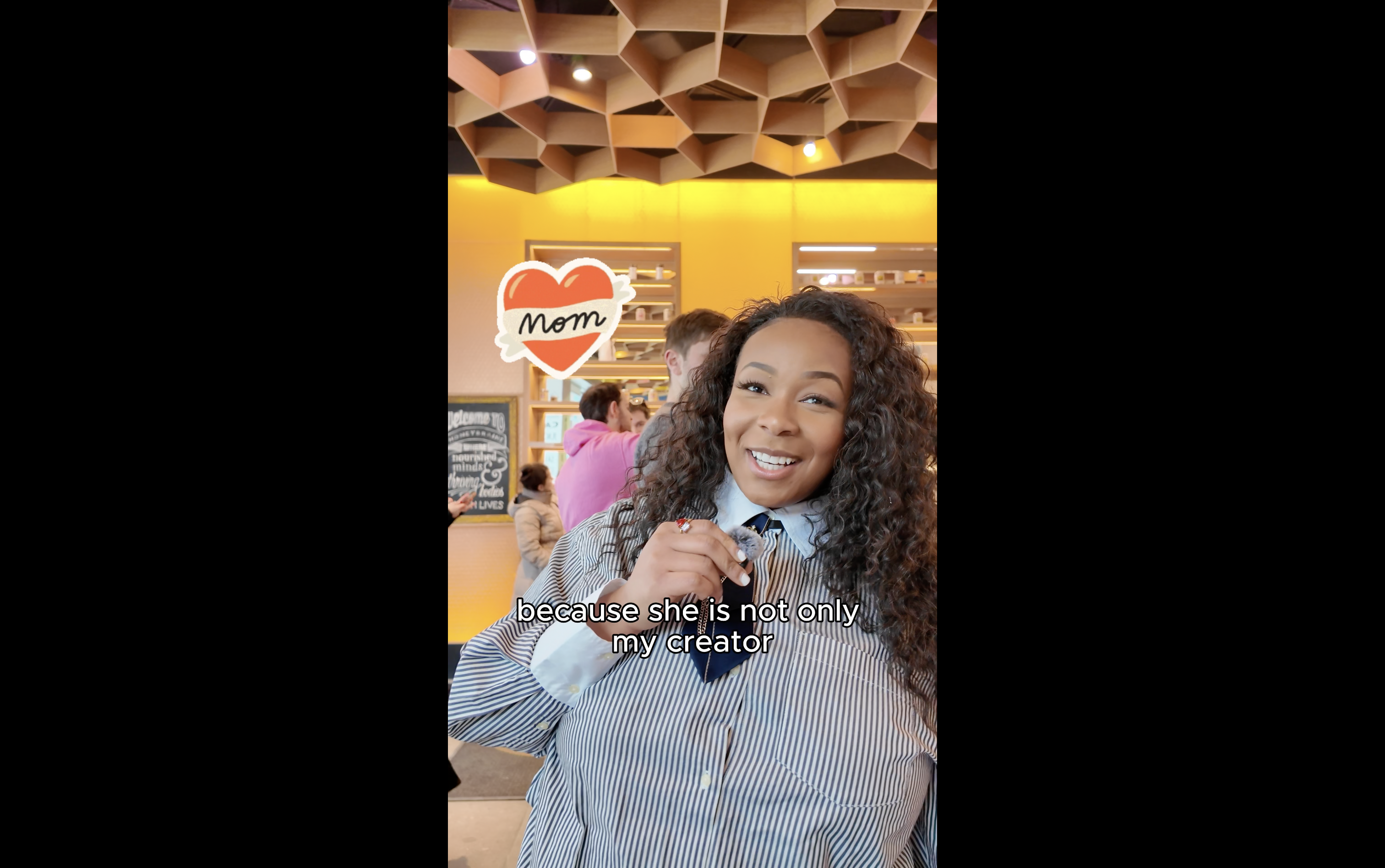
To celebrate Women’s History Month, we asked people in our community a simple question:
Which women-led brands do you admire right now?